✨ The Magic of Mehndi: Pure Body Art
Henna, or Mehndi, is more than just a temporary body art; it's a centuries-old tradition deeply rooted in various cultures, known for its intricate designs and **natural beauty**. In an age where synthetic dyes and chemicals are prevalent, understanding the true essence of **natural henna tattoos** is more important than ever. This guide will delve into what makes henna "natural," its myriad benefits, and how to ensure you're getting a safe, stunning, and authentic experience.
🌿 What Exactly is Natural Henna?
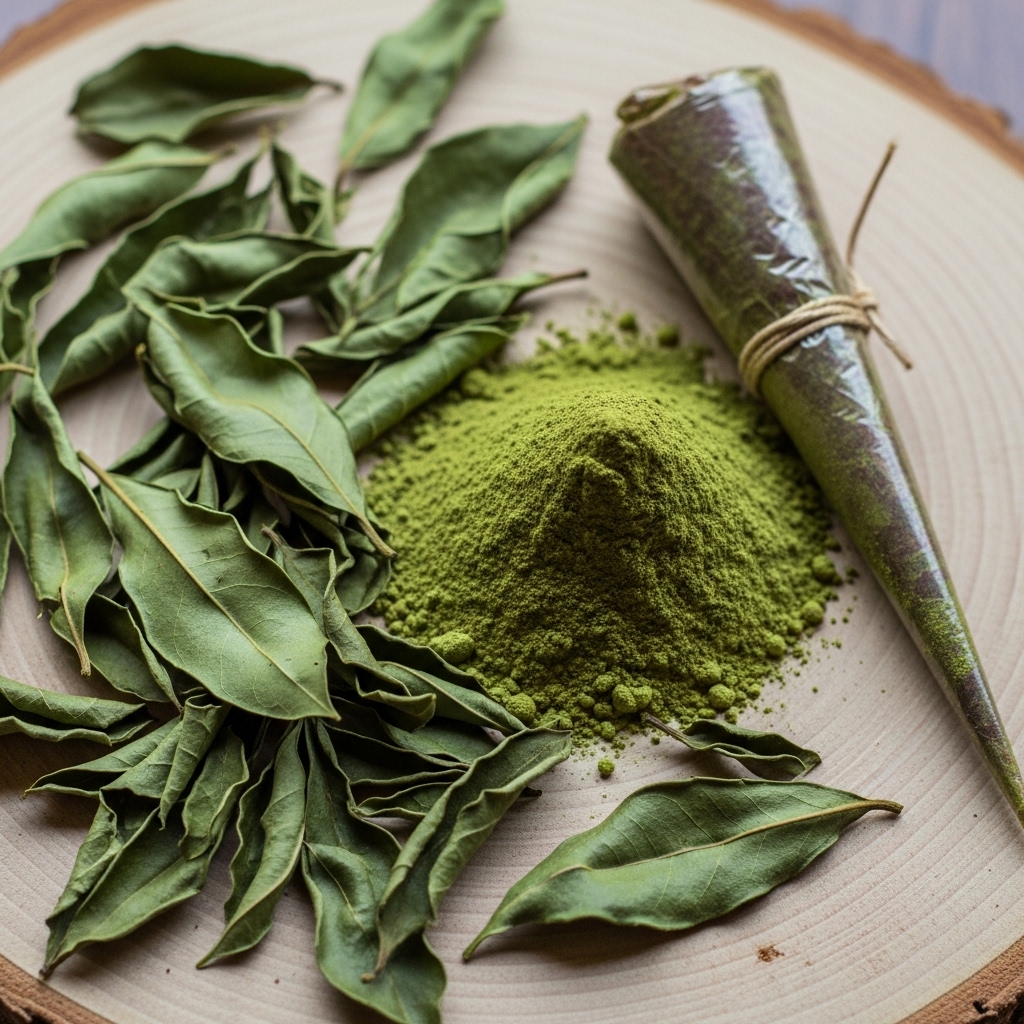
True natural henna comes from the **Lawsonia inermis** plant, a flowering shrub typically grown in hot, dry climates. The leaves of this plant are dried, crushed into a fine powder, and then mixed with a liquid (like water or lemon juice) and often essential oils (such as eucalyptus or lavender) to create a paste. This paste is then applied to the skin, staining the outermost layer of the epidermis. The dye molecule, lawsone, binds to the keratin in your skin, resulting in a stain that ranges from orange to a rich reddish-brown, deepening over 24-48 hours.
🚨 Warning: Natural henna is never black. If someone offers you **"black henna,"** it almost certainly contains a chemical called **para-phenylenediamine (PPD)**, which can cause severe allergic reactions, permanent scarring, and sensitization. Always opt for traditional, reddish-brown natural henna.
🌱 The Ancient Roots and Cultural Significance
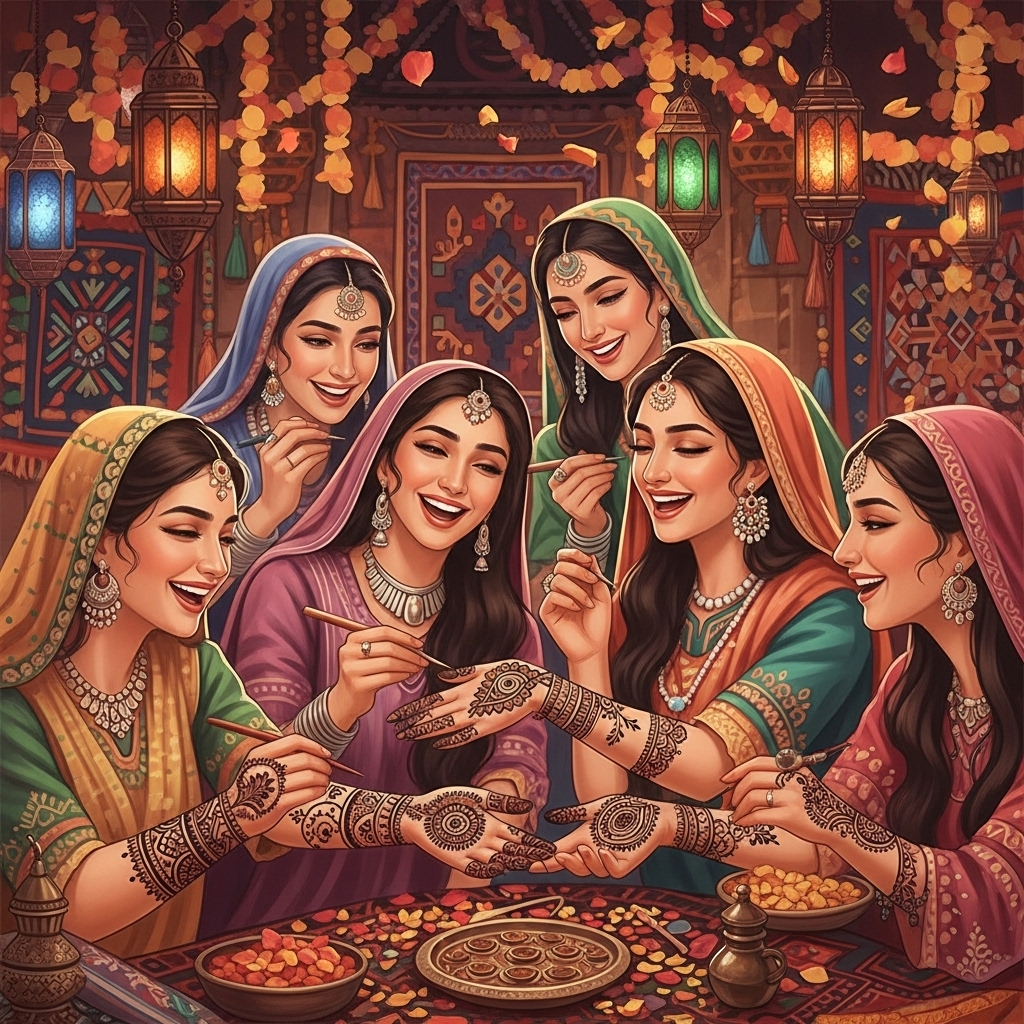
Henna has been used for over 5,000 years, with origins tracing back to ancient Egypt, India, the Middle East, and parts of Africa. Historically, it was applied for celebrations like weddings, festivals (like Eid and Diwali), births, and coming-of-age ceremonies. Each motif—from peacocks and lotus flowers to geometric patterns and suns—carries **deep symbolism**, representing blessings, good fortune, fertility, and protection. Applying henna is often a communal and joyful ritual, bringing people together.
✅ Benefits of Choosing Natural Henna
Beyond its aesthetic appeal and cultural significance, natural henna offers several key benefits:
- Chemical-Free & Safe: Pure henna is **hypoallergenic** and safe for most skin types, as it's a natural plant dye.
- Temporary & Commitment-Free: Designs typically last **1-3 weeks**, gradually fading as your skin exfoliates.
- Cooling Properties: Henna is traditionally applied for its natural **cooling sensation** on the skin in warm climates.
- Artistic Expression: It's a wonderful way to express creativity and personal style.

🎨 How to Get the Best Natural Henna Stain
To ensure you get a safe and stunning natural henna tattoo, follow these essential tips:
- **Source Wisely:** Use freshly mixed paste from **pure henna powder** and natural liquids. Never use black paste.
- **Prep Your Skin:** Exfoliate the area a day before and keep skin clean and dry before application.
- **Keep it Moist:** The longer the henna paste stays moist on your skin (8-12 hours is ideal), the **darker and longer-lasting** the stain will be. Use a lemon-sugar sealant.
- **Scrape, Don't Wash:** Once dry, gently **scrape the paste off**. Avoid water for at least 6-12 hours after removal.
- **Aftercare:** Moisturize the stained area with natural oils (like coconut or olive oil) to protect it.
.jpeg)
✍️ Ready for Authentic, Natural Beauty?
Natural henna tattoos offer a captivating blend of tradition, artistry, and natural wellness. By choosing authentic henna, you not only adorn your body with beautiful, meaningful designs but also embrace a **chemical-free, safe form of self-expression**.
Looking for certified, natural henna products? **Divika Herbal** offers premium henna solutions for safe and stunning results.